
Dry eyes can feel gritty, burning, tired or unexpectedly watery. Vision may also become blurry or fluctuate, especially during screen use, reading or time in air-conditioned rooms. Dry eye occurs when the eyes do not make enough tears or when the tear film does not remain stable enough to protect the surface of the eye.
Because similar symptoms can occur with allergies, infection, eyelid problems and other eye conditions, persistent or significant symptoms should be assessed rather than treated by guesswork.
What are dry eyes?
The tear film is a thin protective layer that spreads across the eye each time you blink. It helps keep the surface smooth, comfortable and clear. The tear film contains water, oils and other components that work together.
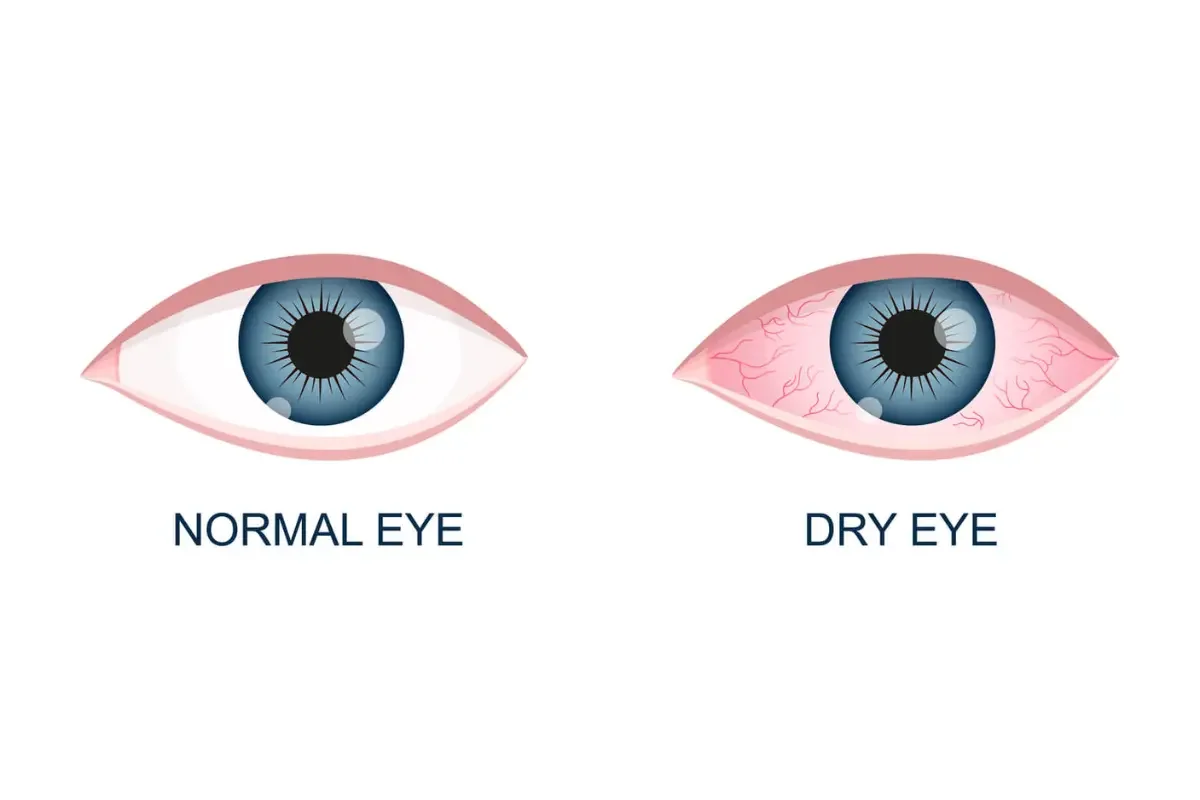
Dry eye syndrome, also known as dry eye disease, develops when tear production is reduced, tears evaporate too quickly or the tear film becomes unstable. Some people experience temporary dryness, while others may require ongoing management because multiple factors contribute to the condition.
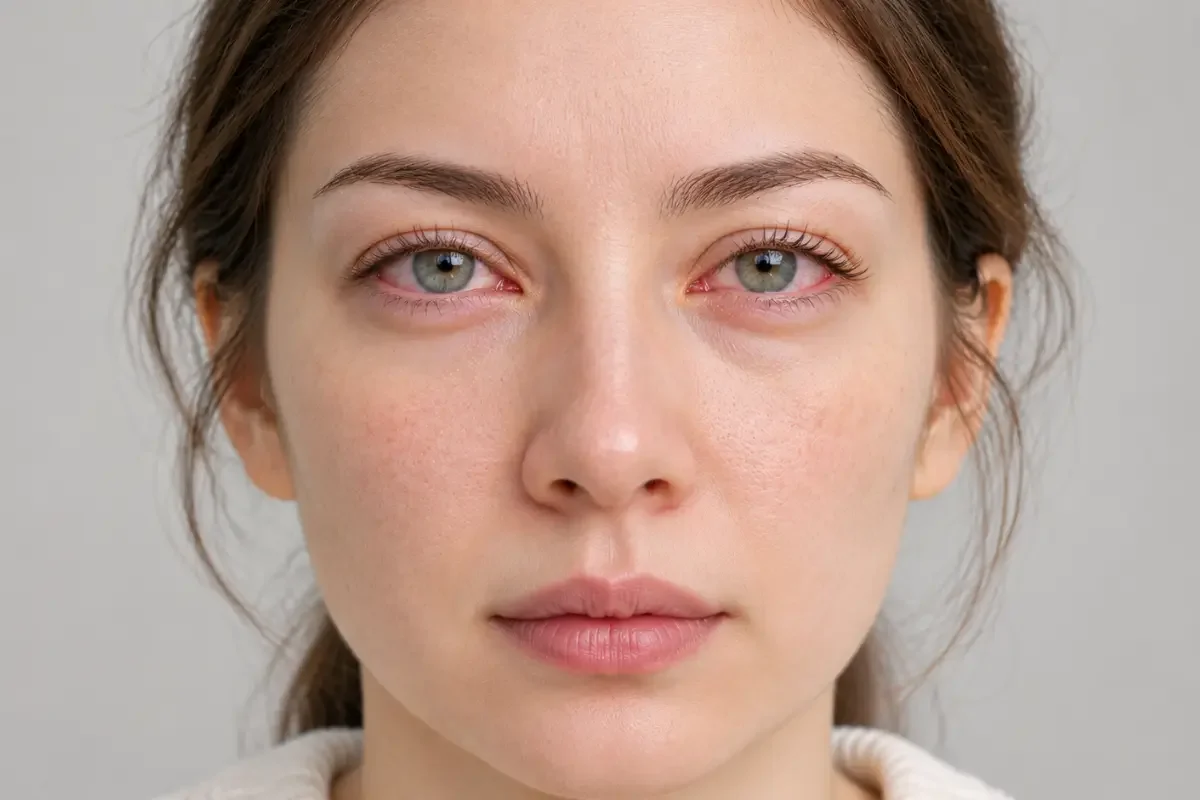
What Are the Common Dry Eyes Disease Symptoms?
Common dry eye symptoms can vary from mild irritation to persistent discomfort. Some of the most common dry eyes disease symptoms include:
A dry, gritty or sandy feeling
Burning, stinging or irritation
Red or tired-looking eyes
Watery eyes
Sensitivity to light
Mucus around the eyes
Fluctuating or blurry vision
Discomfort when wearing contact lenses
Watery eyes can still be a sign of dry eye. Irritation may trigger reflex tearing, but these tears may not remain on the eye long enough to create a stable, comfortable surface.
Can dry eyes cause blurry vision?
Yes. An unstable tear film can make the eye’s optical surface uneven, so vision may briefly blur and then improve after blinking. Persistent blur, a sudden change in vision or vision loss should not automatically be attributed to dry eye and needs prompt assessment.
What causes dry eyes?
Dry eye often has more than one cause. Contributing factors may include reduced tear production with age, prolonged screen use and reduced blinking, air conditioning, smoke, wind, contact-lens wear, eyelid inflammation, meibomian gland dysfunction, hormonal changes, certain health conditions and some medicines.
Do not stop prescribed medicine on your own if you suspect it is contributing to dry eye. Discuss the symptoms with the prescribing clinician and your eye-care professional.
Meibomian gland dysfunction
The meibomian glands in the eyelids produce oils that slow tear evaporation. When these glands become blocked or do not work effectively, tears may evaporate too quickly. This is a common contributor to evaporative dry eye and may occur together with eyelid inflammation.
Why are my eyes dry at night or when I wake up?
Symptoms may be more noticeable at night or in the morning because of air conditioning, reduced blinking before sleep, incomplete eyelid closure or changes in the tear film. Recurrent morning pain or marked discomfort deserves an eye examination because corneal or eyelid conditions can produce similar symptoms.
How are dry eyes diagnosed?
Assessment starts with your symptoms, medical history, medicines, contact-lens use and daily environment. The eye-care professional may examine the eyelids and eye surface, assess tear quantity and stability, and look at the meibomian glands. Additional tests depend on the findings.
The purpose is not only to confirm dryness, but also to identify the factors that may be driving it and to rule out other causes of irritation or blurred vision.
How are dry eyes treated?
There is no single dry eye treatment that is best for everyone. Treatment options depend on the underlying cause and severity of the condition. A personalized approach may combine several methods to relieve symptoms, improve tear film stability and protect the ocular surface.
Artificial tears and lubricants
Artificial tears can provide temporary relief and help protect the eye surface. Different formulations suit different needs. Preservative-free products may be considered when drops are needed frequently or when preservatives cause irritation. Ask an eye-care professional which type is appropriate for you.
Prescription and in-clinic treatments
When basic measures are not enough, an ophthalmologist may consider prescription treatment, management of eyelid or meibomian gland problems, punctal plugs or other in-clinic approaches. Treatment should follow an assessment; a product or procedure should not be presented as universally suitable.
What can you do at home?
Supportive steps may include taking regular screen breaks, blinking fully, limiting direct airflow from fans or air conditioners, using a humidifier in dry rooms, wearing protective sunglasses outdoors and following appropriate eyelid-care advice. A warm compress may help some people with meibomian gland dysfunction, but it is not right for every eye problem.
Avoid homemade eye drops and do not use prescription, antibiotic or steroid eye drops unless they were prescribed for the current problem.
Can dry eyes be cured permanently?
Sometimes dryness improves when a temporary trigger is removed. Chronic dry eye may need ongoing management. The realistic goal is to identify contributing factors, improve comfort, protect the eye surface and maintain stable vision—not to promise a permanent cure.
Dry eyes and contact lenses
Contact lenses can worsen dryness, and dry eye can reduce comfortable wearing time. Lens material, fit, hygiene and wear schedule may all matter. Remove your lenses and seek prompt advice if redness is accompanied by increasing pain, light sensitivity, discharge or reduced vision.
When should you see an eye doctor?
Arrange an eye examination if symptoms persist, recur, interfere with work or reading, affect contact-lens wear, or do not improve with basic supportive measures.
Seek urgent medical assessment for significant eye pain, sudden vision loss, a sudden persistent change in vision, marked light sensitivity, an eye injury or chemical exposure. Do not wait for an online reply in an eye emergency.
If you are unsure whether your symptoms require specialist attention, read our guide on when to see an ophthalmologist to understand when an ophthalmologist may be the right person to assess your eye condition.
What to expect from your consultation
Your consultation may include an assessment of symptoms and risk factors, examination of the eyelids and eye surface, relevant tear-film tests, and a clear explanation of suitable options. Your plan may include self-care, lubricants, treatment, monitoring or referral. Every patient is different, so recommendations are made after assessment.
If you would like to understand how an online ophthalmology appointment works, read our guide to online eye doctor consultations, including what to expect, how to prepare and when an in-person examination may still be necessary.
Book an Online Eye Consultation
If dry, irritated or fluctuating vision is affecting your day, book an online eye consultation with Eye Consult Online. The consultation can help clarify suitable next steps, although an in-person examination or testing may still be recommended.
Clear, reliable eye-health guidance with appropriate next steps.
Frequently asked questions
Can dry eyes cause headaches?
Eye discomfort and visual strain may occur alongside headaches, but headaches have many possible causes. Recurrent or severe headaches should not automatically be attributed to dry eye.
Can dry eyes cause blindness?
Permanent vision loss from dry eye is uncommon, but severe untreated disease can damage the cornea. Significant pain or reduced vision requires professional assessment.
Is dry eye a chronic condition?
It can be. Some episodes are temporary, while other cases need long-term management and periodic review.
