
Glaucoma is a group of eye diseases that damage the optic nerve, which carries visual information from the eye to the brain. Many people have no noticeable glaucoma symptoms in the early stages. A comprehensive eye examination is therefore important for detection, especially when risk factors are present.
Treatment cannot restore optic-nerve damage that has already occurred, but it can often slow or stop further damage by controlling eye pressure and other risk factors.
Urgent warning: possible angle-closure glaucoma
Seek urgent medical care now if you develop sudden severe eye pain, a very red eye, sudden blurred vision, coloured halos around lights, headache, nausea or vomiting. These symptoms can occur with acute angle-closure glaucoma and should not wait for an ordinary appointment or online response.
What is glaucoma?
The term glaucoma covers several conditions that progressively damage the optic nerve. Raised intraocular pressure is an important risk factor, but glaucoma is not simply “high eye pressure.” Some people have raised pressure without glaucoma, while others develop optic-nerve damage at pressure readings that are not unusually high.
This is why diagnosis requires more than a single pressure measurement.
What causes glaucoma?
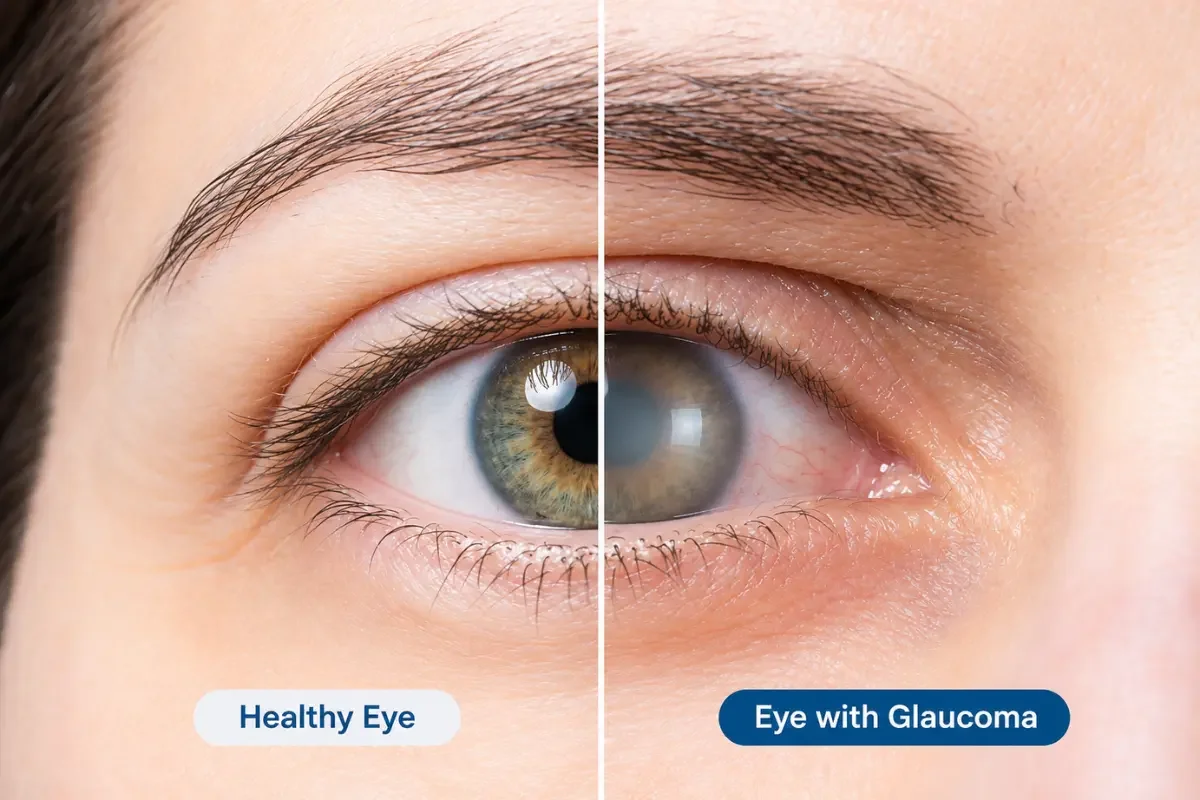
Glaucoma develops when the optic nerve becomes damaged, often in association with increased pressure inside the eye. This pressure may rise when fluid does not drain properly through the eye's drainage system. However, glaucoma can also develop in people with normal eye pressure, and the exact causes are not always fully understood.
What are the symptoms of glaucoma?
Open-angle glaucoma, the most common form, usually develops slowly. Early disease often causes no glaucoma symptoms. Over time, patches of peripheral or side vision may be lost. Because the brain can compensate for gradual changes, a person may not notice until substantial damage has occurred.
Angle-closure glaucoma can behave very differently. It may cause a sudden pressure rise with severe symptoms and requires urgent treatment.
Who is at risk?
Risk varies between individuals. Factors may include increasing age, family history, raised eye pressure, certain anatomical features of the eye, previous eye injury, long-term steroid exposure and some medical or ocular conditions. Risk patterns also differ between glaucoma types.
A family history increases risk but does not mean glaucoma is inevitable. Tell your eye-care professional if a parent, sibling or child has glaucoma.
What are the main types of glaucoma?
Open-angle glaucoma
The drainage angle remains open, but fluid does not drain effectively enough. The condition usually progresses gradually and without pain.
Angle-closure glaucoma
The drainage angle becomes narrowed or blocked. A sudden complete blockage can cause an acute attack, although some angle-closure disease develops more gradually.
Normal-tension glaucoma
Optic-nerve damage occurs even though measured eye pressure is within a range often considered normal. Assessment considers the whole clinical picture rather than one pressure reading.
Secondary and congenital glaucoma
Secondary glaucoma develops because of another eye condition, injury, medicine or treatment. Congenital and childhood glaucomas are uncommon and require specialist assessment.
How is glaucoma diagnosed?
A comprehensive eye examination for glaucoma is essential for detecting optic-nerve damage and assessing the risk of vision loss. Diagnosis usually combines several findings:
Examination of the optic nerve
Measurement of intraocular pressure
Visual-field testing to assess peripheral vision
OCT or other imaging of the optic nerve and retinal nerve-fibre layer
Assessment of the drainage angle and corneal thickness where appropriate
The exact combination depends on the patient. Results may need to be repeated over time because glaucoma is diagnosed and monitored by looking for a consistent pattern of damage or progression.
How is glaucoma treated?
Glaucoma treatment is tailored to glaucoma type, pressure level, degree of damage, rate of progression and the person’s wider health. The aim is to protect remaining vision, most often by lowering eye pressure.
Glaucoma eye drops
Prescription drops lower pressure in different ways. Correct technique and regular use are important. Some glaucoma eye drops may cause or worsen dry eye symptoms, including irritation, burning and discomfort. Learn more about dry eye symptoms, causes and treatment. Tell your ophthalmologist about side effects, other medicines and difficulty following the schedule; do not stop treatment without advice.
Laser treatment
Laser may improve fluid drainage or reduce fluid production, depending on the type of glaucoma and procedure. Suitability and expected effect must be assessed individually.
Glaucoma surgery
Surgery may be considered when pressure is not controlled adequately, when damage is progressing or when other approaches are unsuitable. Different procedures have different benefits, limitations and follow-up requirements.
Can glaucoma be cured or reversed?
There is currently no cure that restores optic-nerve tissue already lost to glaucoma. Glaucoma treatment and monitoring are intended to prevent or reduce further damage. This makes early detection, adherence and regular review particularly important.
Can glaucoma cause blindness?
Untreated or progressive glaucoma can cause severe vision loss. This should be explained without alarm: many patients preserve useful vision when glaucoma is detected, treated and monitored appropriately.
Can glaucoma be prevented?
Not every case can be prevented. Knowing your risk and attending appropriate comprehensive eye examinations can help detect disease before noticeable glaucoma symptoms develop. People already diagnosed with glaucoma can reduce the risk of progression by following their treatment and monitoring plan.
What to expect from a glaucoma consultation
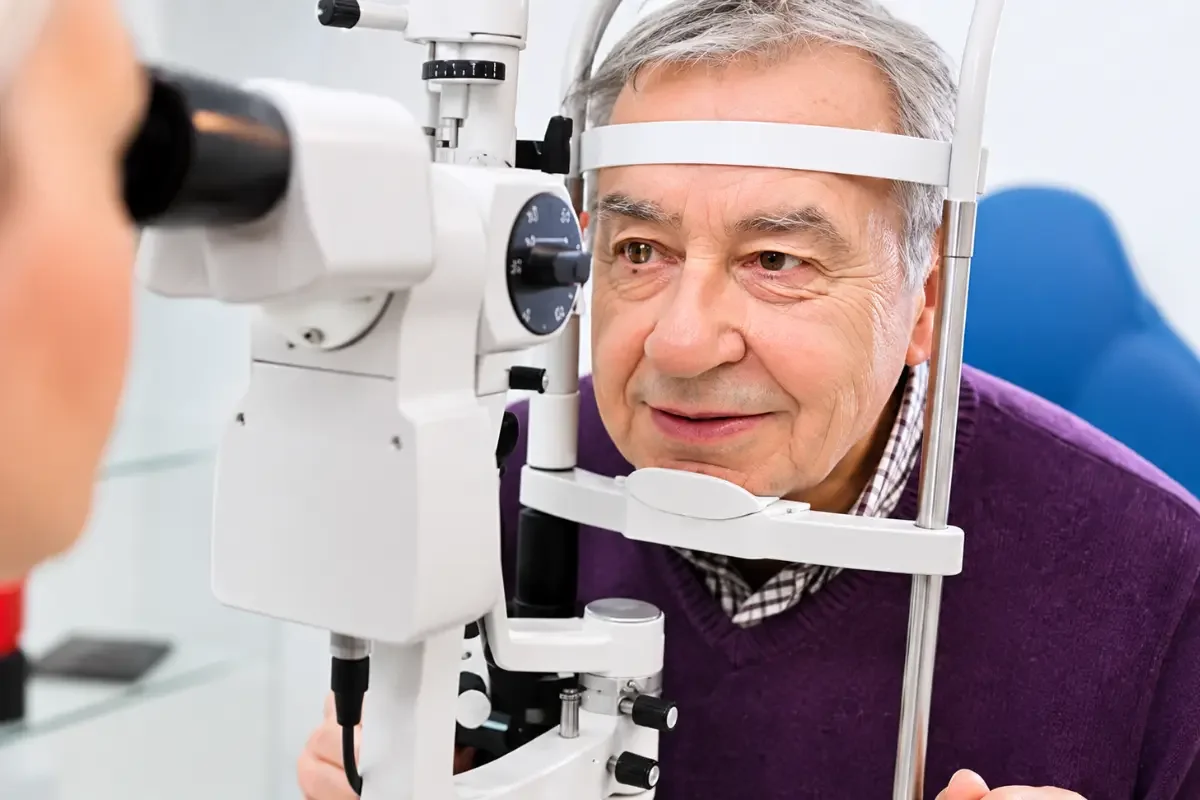
A consultation may include pressure measurement, a dilated optic-nerve examination, visual-field testing and imaging where indicated. Your clinician will explain the findings and whether you need monitoring, treatment or referral. Follow-up frequency depends on your individual risk and results.
If you are considering discussing your eye health concerns remotely, learn more about how an online eye doctor consultation works and what to expect from a virtual appointment. Online consultations can help you understand existing results and next steps, but glaucoma diagnosis requires an in-person examination and appropriate testing.
Book an Online Eye Consultation
If you have raised eye pressure, a family history of glaucoma, concerns about glaucoma symptoms or questions about test results, book an online eye consultation with Eye Consult Online. We can help you understand the findings and next steps; diagnosing and monitoring glaucoma still requires an in-person eye examination and appropriate testing.
Frequently asked questions about glaucoma symptoms
Is glaucoma painful?
Most open-angle glaucoma is not painful. Sudden severe pain with redness and blurred vision may indicate acute angle closure and requires urgent care.
Can glaucoma affect one eye?
Yes. Glaucoma may affect one or both eyes, and severity can differ between them.
Does glaucoma cause headaches?
Chronic open-angle glaucoma usually does not cause headaches. A sudden pressure rise can cause severe eye pain and headache, often with nausea or blurred vision, and is an emergency.
